
Technology
Pyrolysis for biofertilizer products
Project type

HUSK Ventures improving soil health, sinking carbon and increasing income for farmers in Cambodia
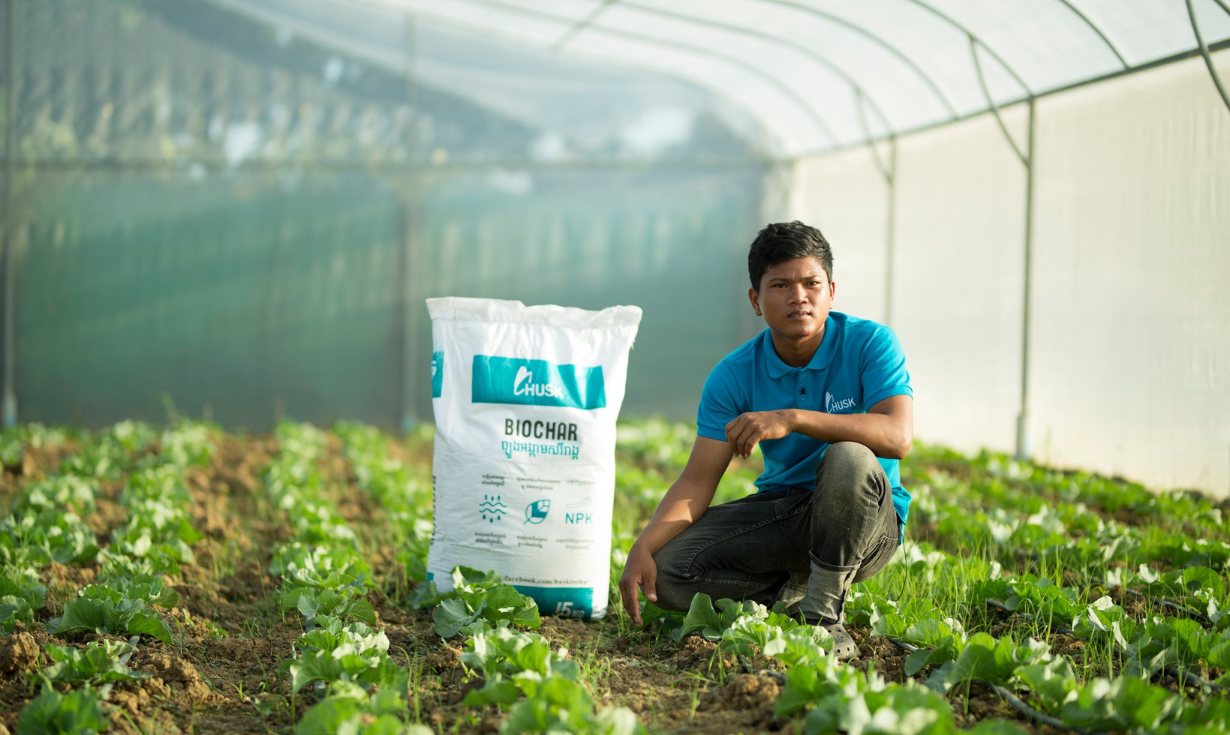
In Cambodia, the backbone of the national economy is the agricultural sector, sustaining 42% of the population. However, for thousands of smallholder farmers, success is impacted by low soil fertility, severe acidity, and erosion. Their ability to harvest each year relies heavily on soil health for better production.
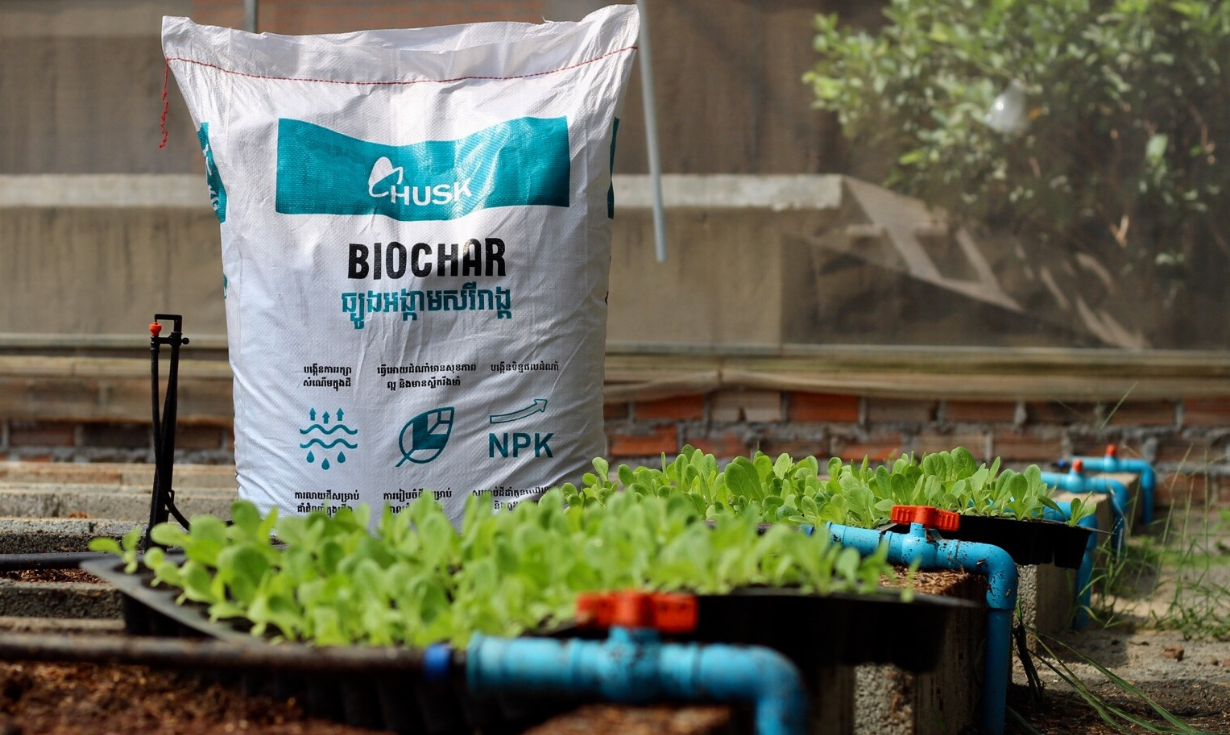
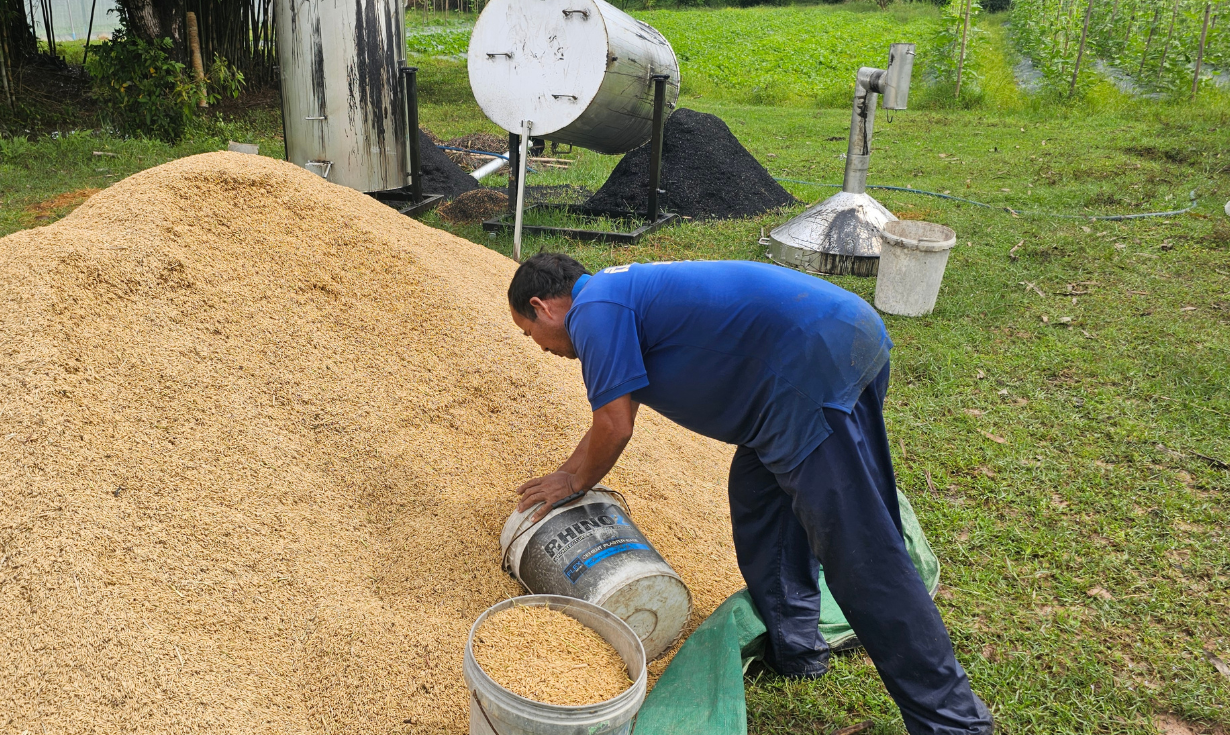
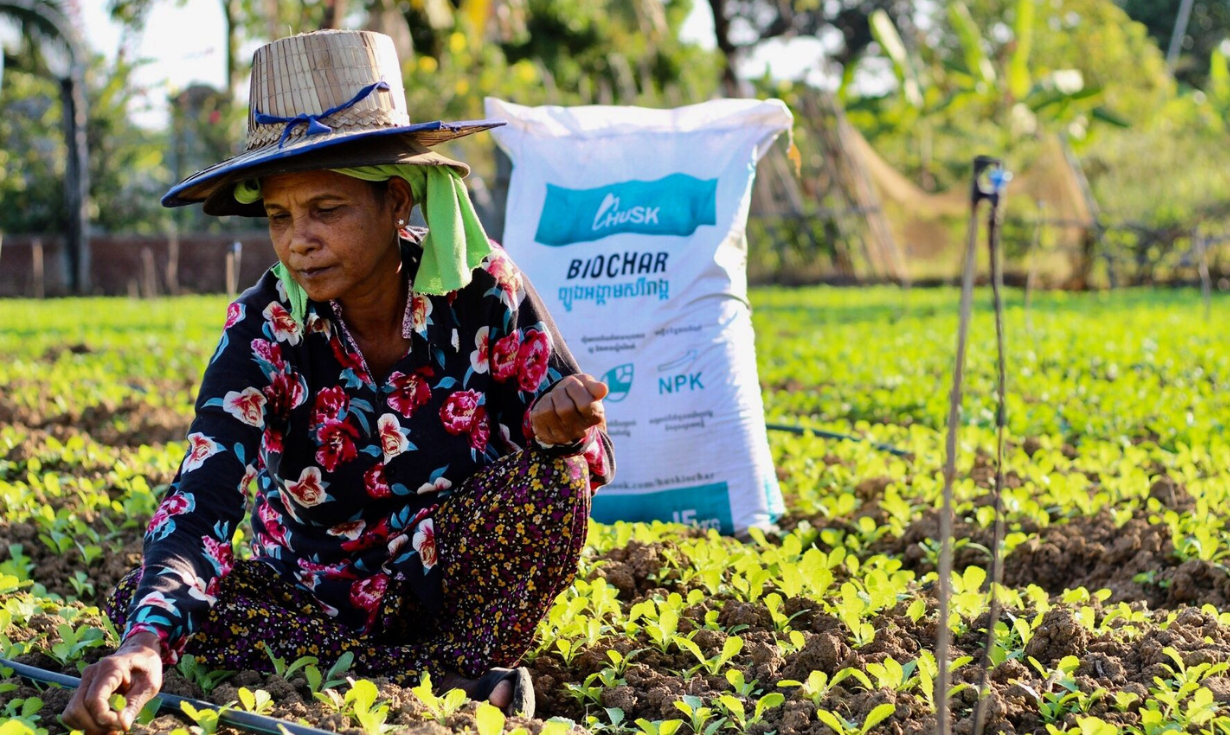
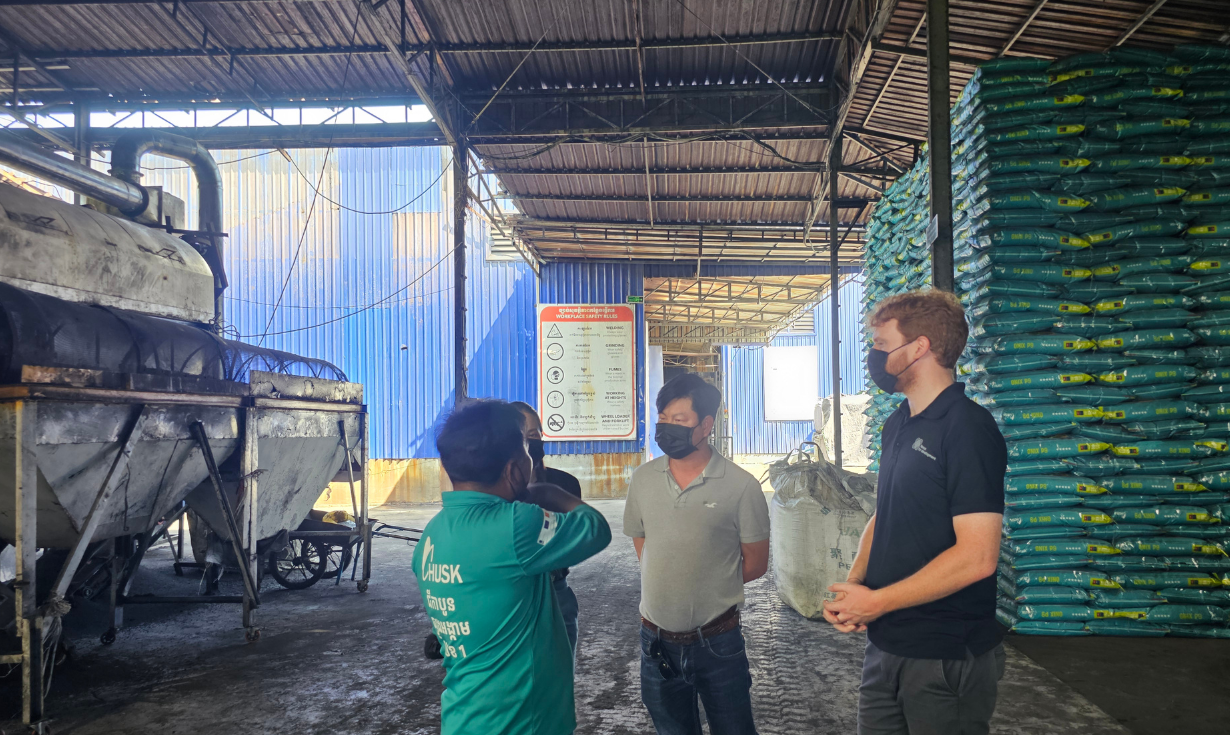
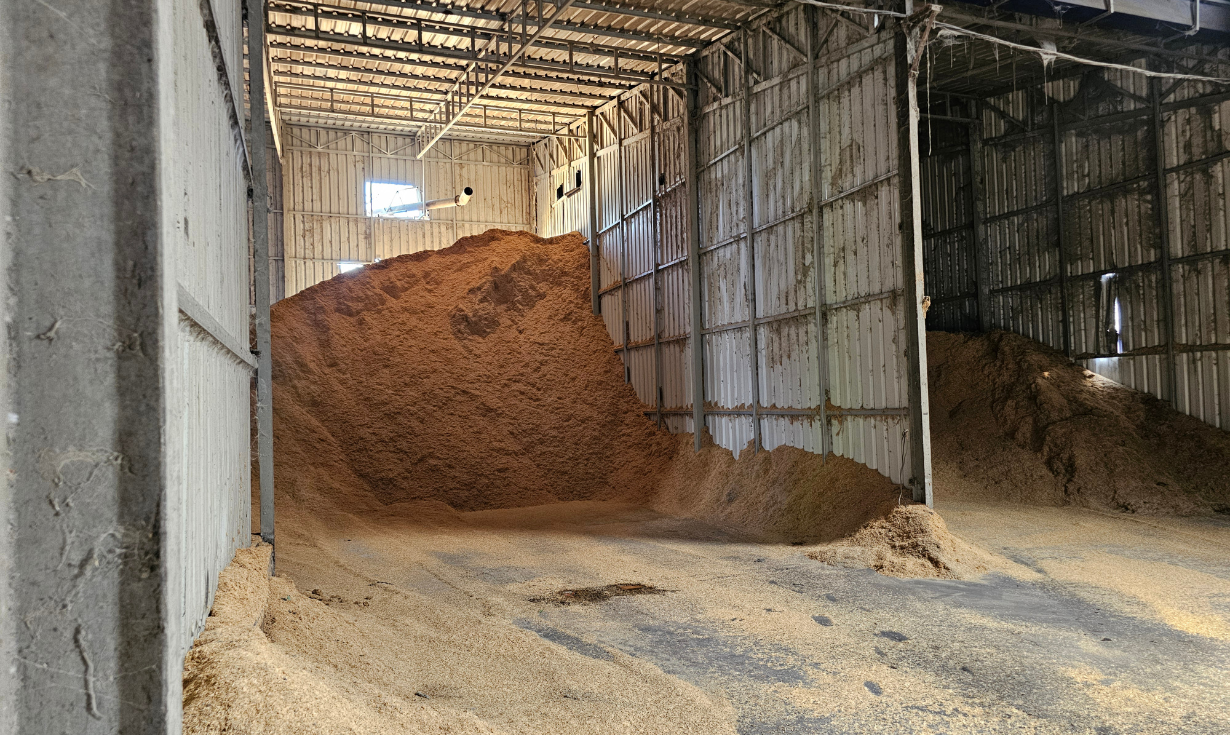
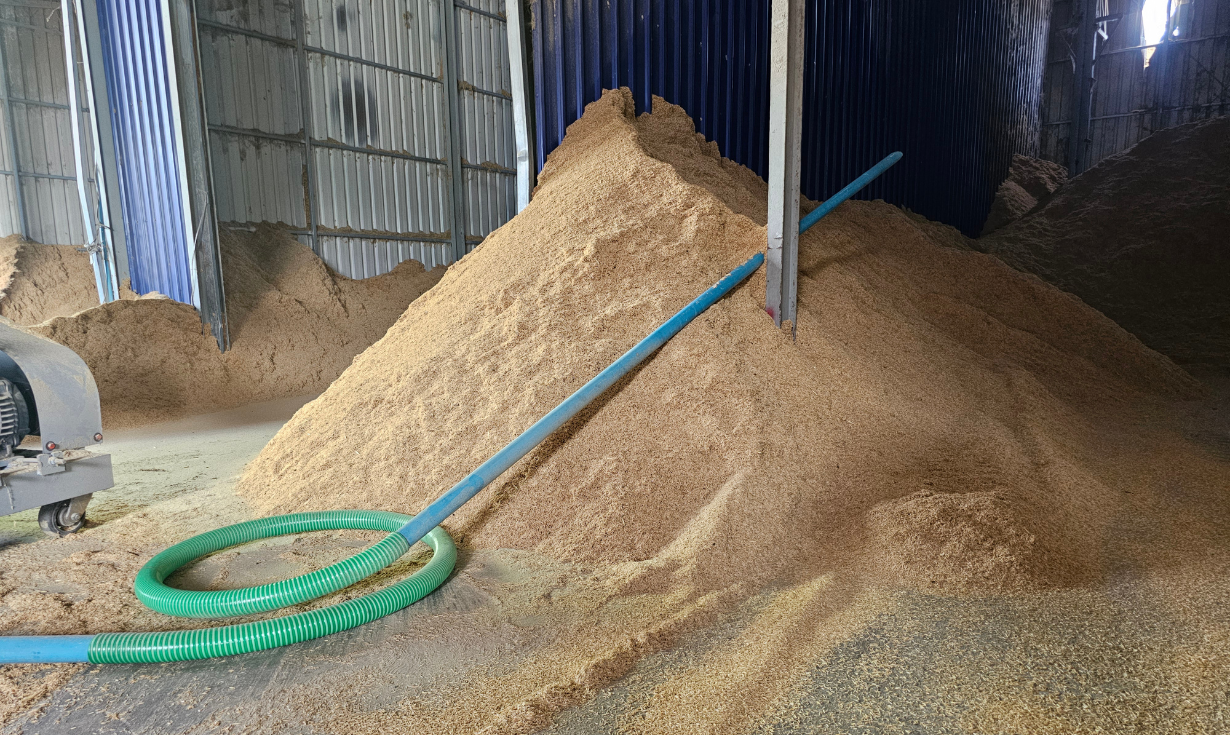
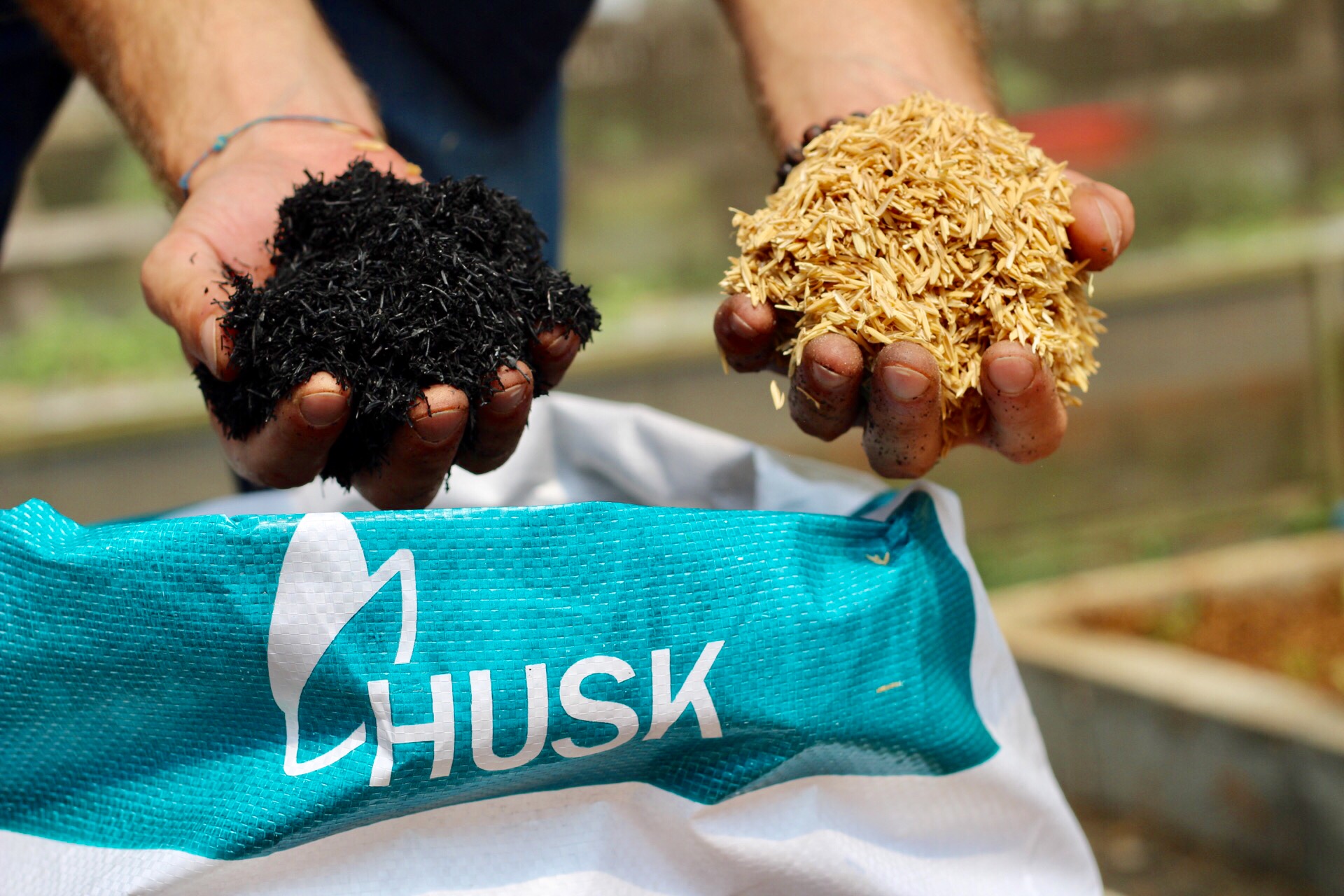
HUSK, an impact-driven enterprise, offers a powerful, local solution. By converting vast amounts of agricultural waste rice husks into biochar-based fertilizers, HUSK simultaneously helps lower climate change and soil degradation over time. This innovative process actively locks up atmospheric carbon dioxide and sinks it back into the soil, regenerating the lands’ health and boosting fertility. The results are better soil, higher yields, and lower input costs, leading to farmer community earnings increasing by 23 times.
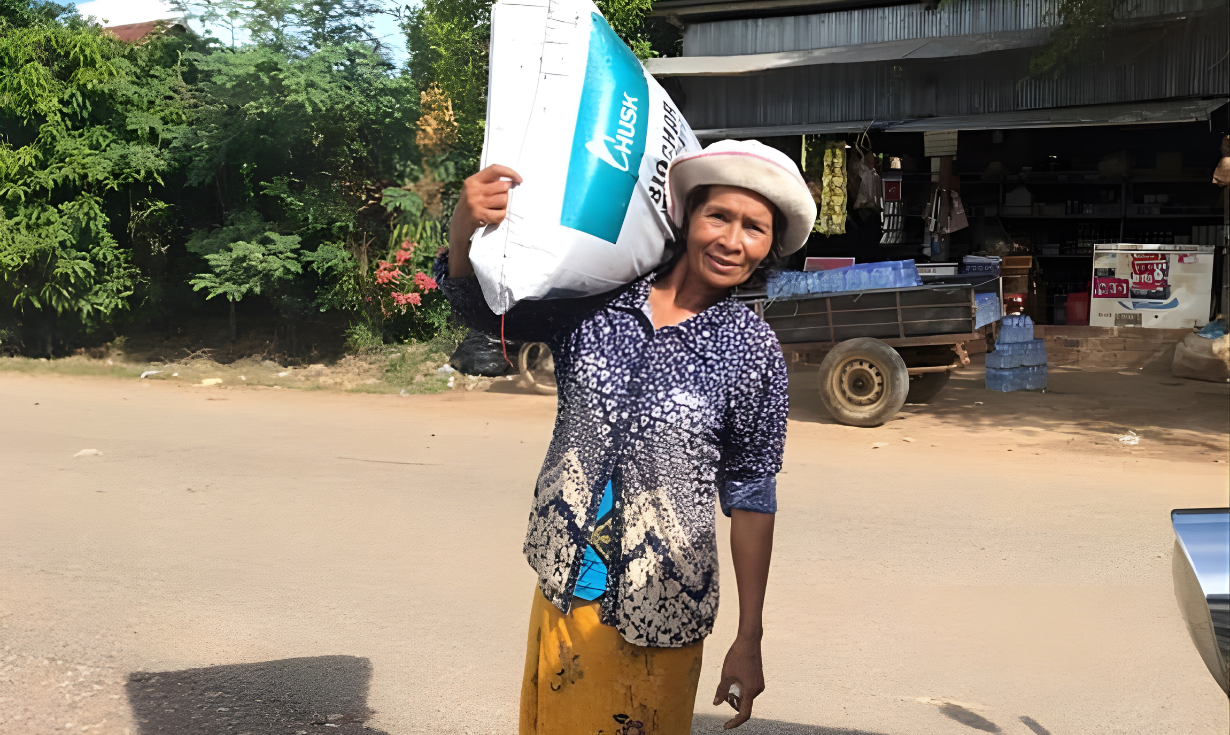
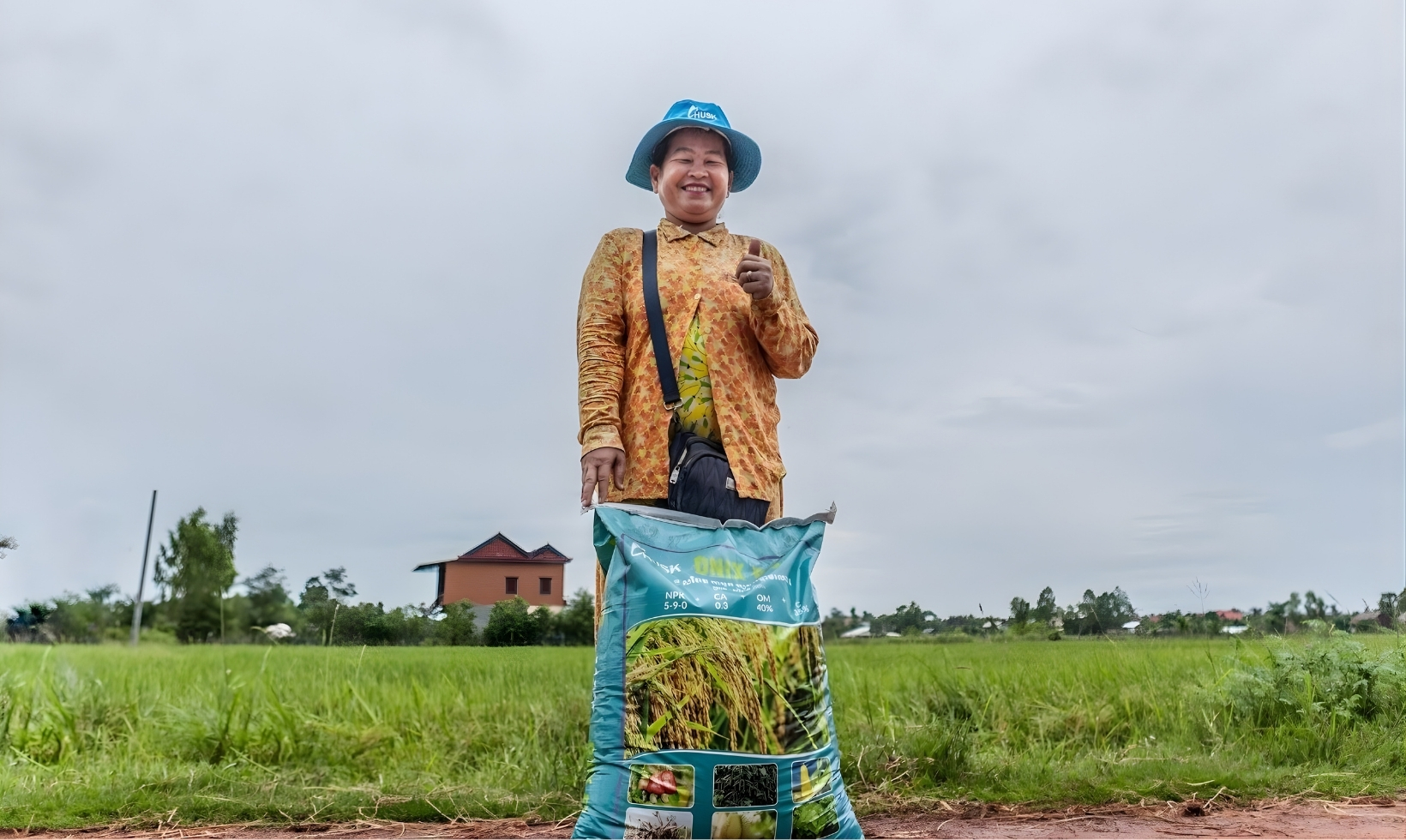
HUSK is a women-led enterprise that is committed to a gender-inclusive approach and achieving high social impact in the regions where it operates. The “Super Farmer” program empowers women by training them as carbon farming ambassadors and advisors. These women then conduct door to door sales, adding additional income to support their family while spreading awareness about the benefits of using biochar-based fertilizer products.
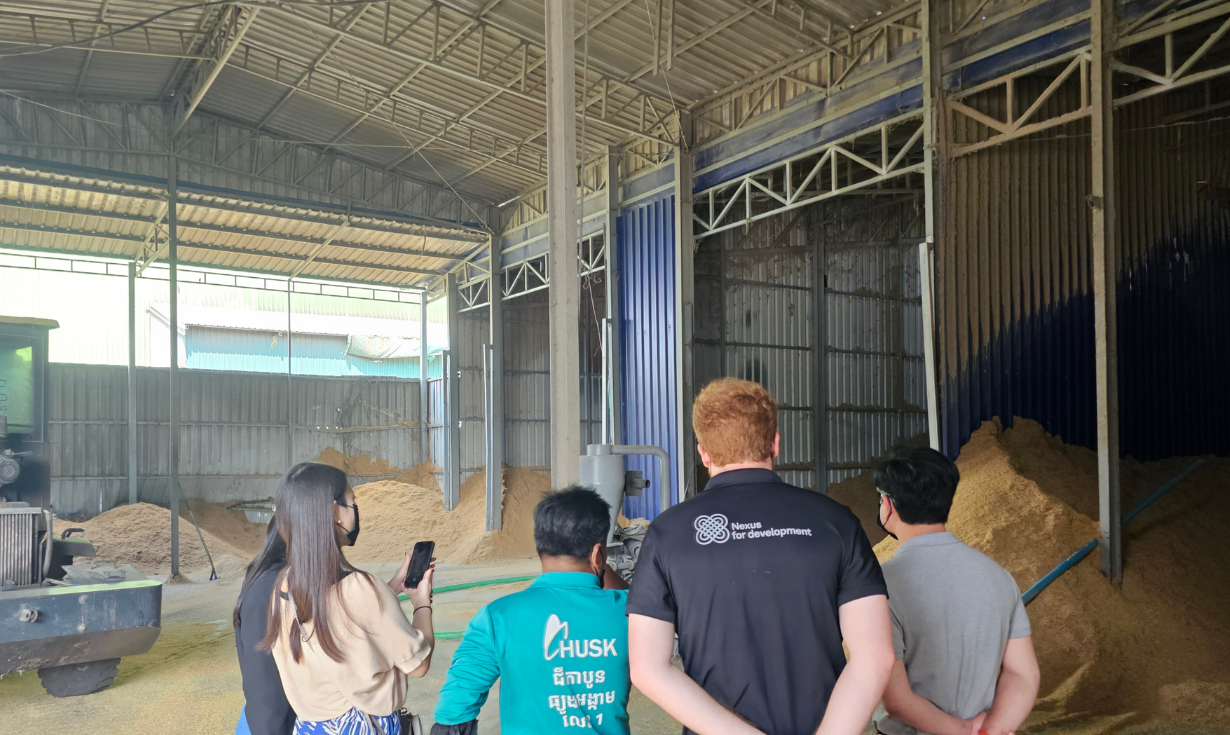
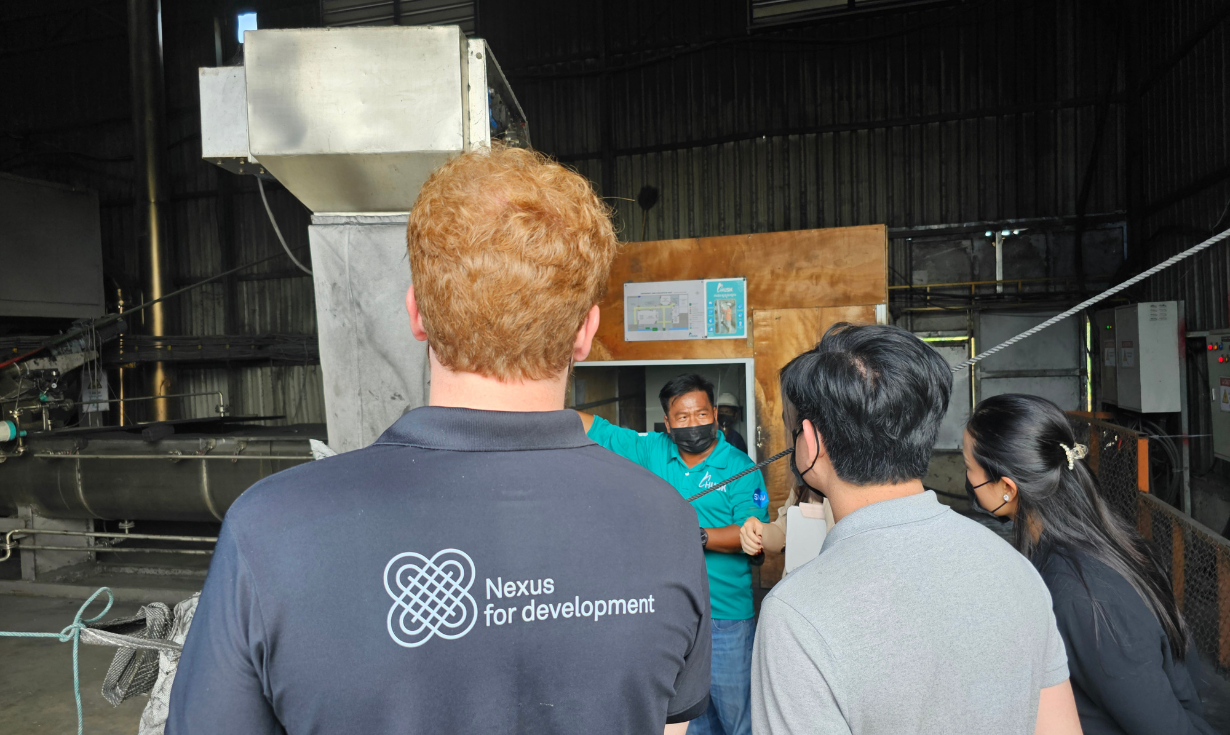
To facilitate the expansion of this sustainable innovative technology, HUSK secured a crucial investment from Nexus for Development, through our Pioneer Facility fund, providing $250,000 in debt financing to acquire machinery, enabling HUSK to significantly increase production and reach more low-income communities.
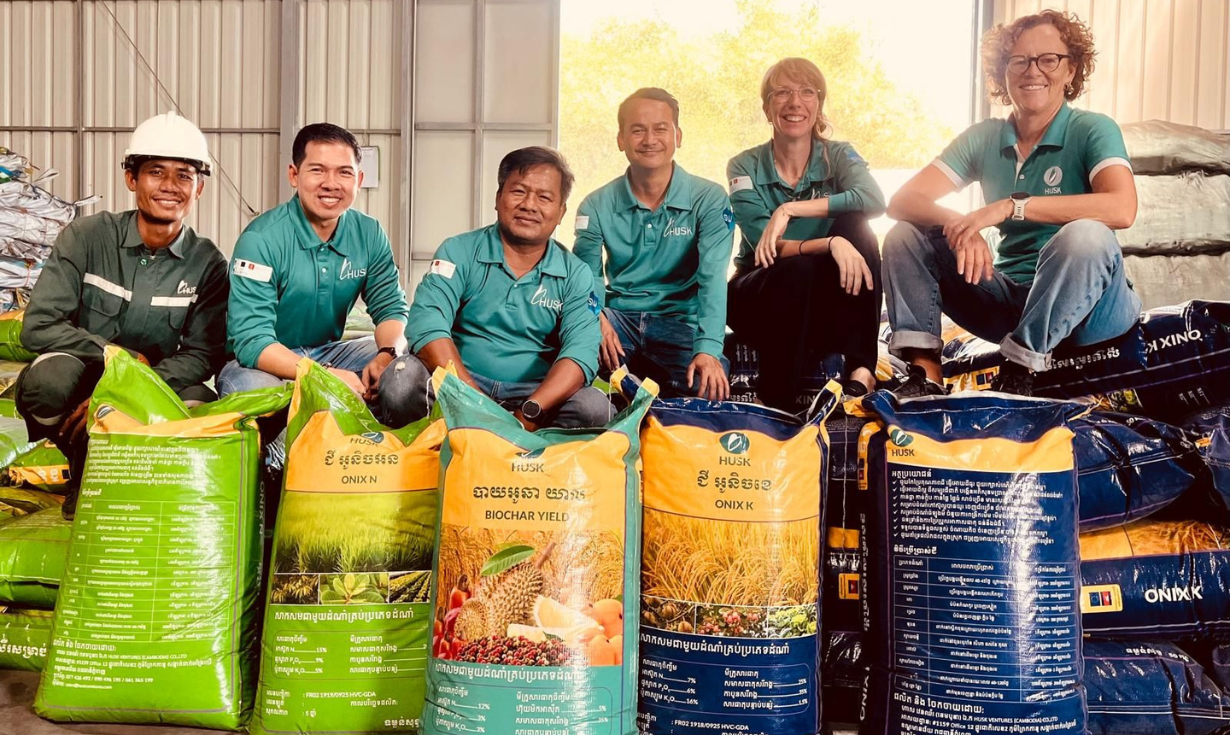
Heloise Buckland, CEO and Co-Founder of HUSK, noted: “The $250,000 loan from the Pioneer Facility will be instrumental in helping HUSK acquire a crucial dryer, enabling us to scale up production and reach more farmers. We are delighted to work with Nexus for Development alongside other investment partners to help realize our potential.”
The HUSK impact
Both environmental and social impacts of HUSK’s regenerative agriculture innovation extend far beyond the immediate increase in crop yield and reduce soil degradation, it also helps creating new opportunities in communities, especially for women and farmers:
- Income and livelihood: Higher crop yields and lower input costs lead to increased profits and financial resilience for farmers. Note: HUSK has already boosted farmer community earnings by 23 times.
- Climate resilience: Regenerated soil retains water better, protecting farms against increasingly extreme weather patterns, including drought and heavy rain.
- Women’s empowerment: The “Super Farmer” program trains women as carbon farming ambassadors, giving them entrepreneurial skills, access to an income and leadership roles to support their family and communities.
- Waste management: By transforming agricultural waste (rice husks) into a valuable resource help in reducing local waste and environmental pollution from burning husks
- Global climate action: Through isolating carbon from the soil, nearly 800+ tonnes of CO2e have been avoided, which contributes directly to climate mitigation efforts.
So far, this women-led social project is actively regenerating land and empowering rural women entrepreneurs across Cambodia.
Global Goals impacted